

Towing a trailer or caravan can be a bit tricky. No matter how much practice you’ve had, there are always potential dangers involved with towing heavy loads. Following safe towing procedures can go a long way to protecting your family, and caravan electric brakes are one of the most important upgrades available. Effective trailer brakes can be the difference between a fun holiday and a serious accident. Because caravans come in all shapes and sizes, there’s a bit of confusion surrounding Queensland’s towing legislation. So, do you need electric brakes for caravan towing in Queensland? Let’s find out!
What Are Electric Brakes?
An electric brake controller is a device that’s used to activate the brakes on a trailer or caravan. When you press the brake pedal in the tow vehicle, the carvan electric brakes controller sends a signal to the trailer, and the brakes are applied. Pretty simple, right?
Electric brakes for caravan towing is a critical safety feature. Caravans and trailers often weigh more than a tonne. Your car’s brakes are designed to stop the car itself, so adding extra weight can overload the system and cause your brakes to fail. To avoid that, many caravans and trailers come with braking systems of their own. An electric brake controller is an affordable and reliable solution for activating those brakes remotely. Without having to be connected to your tow vehicle’s hydraulic system, electric brakes allow you to safely stop and control your trailer from the driver’s seat.
Do You Need Electric Brakes to Tow a Caravan?
In Queensland, you need electric brakes for caravan towing that weighs more than 2,000kg. Caravan electric brakes are also recommended when towing anything with a Gross Trailer Mass (GTM) over 1,000kg. Queensland has a number of road rules surrounding trailer brakes:
- Single axle trailers that weigh less than 750kg aren’t required to have brakes
- Trailers that weigh between 750kg and 2,000kg are required to have brakes on the wheels of at least one axle
- Trailers that weigh more than 2,000kg must have brakes on all wheels
- Inertia brakes can only be used on trailers that weigh less than 2,000kg
- Except for inertia brakes, trailer brakes must be operable from the driver’s seat of the tow vehicle
Most caravans weigh more than 750kg. That means investing in electric brakes and taking your vehicle to a car accessories installer is always a good idea. High quality electric brakes dramatically improve safety on the road, and they can go a long way to protecting you and your family from unnecessary risk.
How Do Electric Brakes Work?
Most electric brake controllers are connected to the brake light circuit of your tow vehicle. Typically, one half the electric brake system is installed inside your car. When you press the brake pedal, a low-power signal is sent to the unit under the dashboard. It then communicates with the main unit mounted to the trailer and the trailer’s brakes are activated.
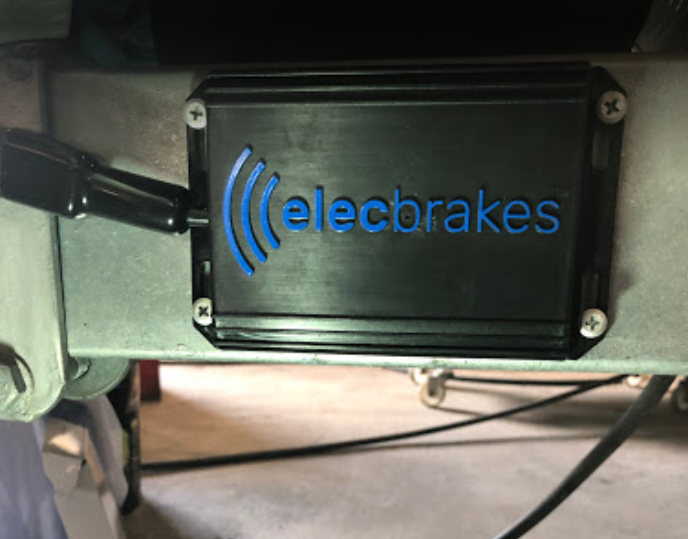
While most caravan electric braking systems are effective, newer models further simplify the process. Brake controllers such as the ones supplied by REDARC use wireless technology to communicate between the tow vehicle and the caravan. Not only does that make the system more reliable, it allows for smarter, smoother braking that reduces wear and tear on your trailer and towing car. For anyone who tows a caravan off-road, electric brakes allow you to maintain control on rough surfaces where inertia brakes will struggle.
The Benefits of Electric Brake Controllers for Towing
A professionally installed electric brake controller is the best way to protect your family and vehicles on the road. These simple devices come with a few major benefits:
- Improved safety. Towing can be dangerous if you don’t take proper precautions. While inertia brakes are an okay solution for small trailers, caravans and larger tow loads need electric brakes to ensure safety on the road.
- Smoother brake control. Modern electric brake controllers are highly sensitive, so they can activate the trailer’s brakes smoothly and evenly, even in emergencies. This reduces wear and tear on your vehicles and reduces the chance of losing control of the trailer.
- Simple installation. Electric brake controllers are usually quick to install and easy to set up. Wired-in brake controllers are suitable for every type of tow vehicle, and a professional can install a kit without much trouble.
- Suitable for off-road towing. Inertia brakes often struggle with off-road driving. Since electric brakes only come on when you press the pedal, they’re a great solution for towing a caravan while off-roading.
Installation Process
Vehicle Compatibility
Before installing electric brakes for towing a caravan, it’s important to confirm that your tow vehicle is compatible with an electric brake controller. Most modern 4WDs and SUVs are already wired with a towing harness, but some older vehicles may require additional wiring or upgraded electrical components to support an electric braking system. You should also check your vehicle’s towing capacity and ensure the towbar and wiring are rated for the weight of your caravan.
DIY vs. Professional Installation
Electric brake installation should usually be left to the professionals. If you’re confident and experienced, DIY installation may save money upfront, but it requires time, patience, and a clear understanding of your vehicle’s electrical system.
With a professional installation, you’ll have peace of mind knowing everything is wired correctly, calibrated accurately, and compliant with towing safety standards. A qualified auto electrician can also troubleshoot potential issues before they become problems.
Troubleshooting and Maintenance
Common issues
Electric brakes are generally reliable, but a few common issues can affect braking performance when towing a caravan. The most frequent problems include:
- Work brake magnets
- Loose or corroded wiring
- Uneven brake adjustment
- Poor grounding
You may also notice the caravan pulling to one side during braking, vibrations when slowing down, or the brakes failing to engage smoothly. These issues often stem from a lack of adjustment or dirt and dust build-up inside the brake drums. Regular inspections and a quick response to early signs of wear can stop small issues from turning into expensive problems.
Maintenance Schedule
Like any towing equipment, electric brakes require routine maintenance to make sure they’re in safe working order. It’s recommended to check your brakes and connections every 10,000 km or before any long trip. Cleaning out brake dust, tightening electrical connections and adjusting the brake shoes all help maintain optimal performance. If your caravan is used frequently or towed through off-road or dusty environments, you may need to service the braking system more often.
When to Seek Professional Help
Some brake issues can be solved with basic maintenance, but certain warning signs need the attention of a qualified auto electrician. If you’re hearing persistent brake noise, or you notice delayed braking response or any visible damage, you might need to call in the experts. Our servicing ensures your caravan’s braking system is compliant, correctly adjusted and safe for the road.
Getting Ready for Your Next Adventure? Talk to AAEAC About Electric Brakes!
Installing an electric brake controller is a simple and affordable way to make towing your caravan. Whether you’re headed down the highway or off the beaten track, electric brakes will make sure you get where you’re going. If you’re planning your next trip and need electric brake controllers or other towing accessories installed, talk to our team of experts at Access Auto Electrics! We’re experienced auto electricians in Brisbane who specialise in installing all types of towing accessories and vehicle diagnostic services. We work on passenger cars, 4WDs, caravans and trailers, so we can install an electric braking solution for every vehicle. Get in touch for more information, or contact us online if you’d like to make a booking!
Frequently Asked Questions
Electric brakes are recommended for most caravans because they improve braking control, stability and safety. Whether they’re required depends on the weight and braking setup of the caravan, but many drivers choose electric brakes even when they’re not compulsory. If you’re not sure, reach out to our experts.
You can tow some lightweight caravans without electric brakes, but heavier caravans usually need their own braking system. Without electric brakes, stopping distances increase and braking becomes less stable, especially at higher speeds or when fully loaded.
Yes. Most older caravans can be fitted with electric brakes and a compatible controller. It’s a common upgrade for people wanting safer and more reliable towing performance.
Electric brakes don’t increase your tow rating, but they do make towing heavy caravans safer and more controlled. They help your vehicle stop more effectively when towing near your maximum capacity.